
What to plant in Tucson in this month
- Artichoke (Globe) transplants
- Artichoke - Jerusalem transplants
- Arugula seed or transplants
- Beets seed
- Bell Peppers seed
- Bok Choy seed or transplants
- Broccoli: Calabrese seed or transplants
- Broccoli: Raab seed or transplants
- Broccoli: Romanesco seed or transplants
- Brussels Sprouts transplants
- Cabbage: Chinese seed or transplants
- Cabbage: Savoy seed or transplants
- Cabbage: Traditional seed or transplants
- Carrot seed
- Cauliflower seed or transplants
- Chard
- Chillies seed
- Collards seed or transplants
- Eggplant seed
- Endive seed or transplants
- Fennel transplants
- Garlic transplants
- Ground Cherry seed
- Kale seed or transplants
- Kohlrabi seed or transplants
- Leek transplants
- Lettuce seed or transplants
- Mizuna seed or transplants
- Mustard seed or transplants
- Onions: Bulb transplants
- Onions: Bunching transplants
- Onions: Scallions transplants
- Peas: Shelling seed
- Peas: Snow seed
- Peas: Sugar Snap seed
- Potato transplants
- Radish seed
- Rutabaga seed
- Shallots transplants
- Spinach: Winter transplants
- Tomatillo seed
- Tomato seed
- Turnip seed
- Artichoke (Globe) transplants
- Artichoke - Jerusalem transplants
- Arugula seed or transplants
- Beans: Fava seed
- Beans: Garbanzo seed
- Beans: Lentil seed
- Beans: Lima seed
- Beans: Pole seed
- Beans: Soy seed
- Beets seed
- Bell Peppers seed or transplants
- Bok Choy seed or transplants
- Broccoli: Calabrese seed or transplants
- Broccoli: Raab seed or transplants
- Broccoli: Romanesco seed or transplants
- Cabbage: Chinese seed or transplants
- Cabbage: Savoy seed or transplants
- Cabbage: Traditional seed or transplants
- Carrot seed
- Cauliflower seed or transplants
- Chard
- Chillies seed or transplants
- Collards seed or transplants
- Corn seed
- Eggplant seed
- Endive seed or transplants
- Fennel transplants
- Ground Cherry seed or transplants
- Kale seed or transplants
- Kohlrabi seed or transplants
- Lettuce seed or transplants
- Mizuna seed or transplants
- Mustard seed or transplants
- Onions: Bunching transplants
- Onions: Scallions transplants
- Potato transplants
- Radish seed
- Rutabaga seed
- Spinach: Winter seed or transplants
- Tomatillo seed or transplants
- Tomato seed or transplants
- Turnip seed
- Artichoke (Globe) transplants
- Artichoke - Jerusalem transplants
- Beans: Snap (Bush) seed
- Beets seed
- Bell Peppers transplants
- Carrot seed
- Chard
- Chillies transplants
- Corn seed
- Ground Cherry transplants
- Onions: Bunching transplants
- Onions: Scallions transplants
- Pumpkin
- Radish seed
- Rutabaga seed
- Squash: Summer
- Squash: Winter
- Tomatillo transplants
- Tomato transplants
- Turnip seed
- Watermelon seed or transplants
- Artichoke - Jerusalem transplants
- Beans: Cowpeas seed
- Beans: Snap (Bush) seed
- Beans: Yardlong seed
- Bell Peppers transplants
- Carrot seed
- Chillies transplants
- Cucumber: Armenian seed or transplants
- Cucumber: Traditional seed or transplants
- Eggplant transplants
- Ground Cherry transplants
- Melons
- Pumpkin
- Radish seed
- Rutabaga seed
- Spinach: Summer (NZ & Malabar)
- Squash: Summer
- Squash: Winter
- Sweet Potato transplants
- Tomatillo transplants
- Tomato transplants
- Turnip seed
- Watermelon seed or transplants
- Artichoke - Jerusalem transplants
- Beans: Cowpeas seed
- Beans: Yardlong seed
- Cucumber: Armenian seed or transplants
- Cucumber: Traditional seed or transplants
- Eggplant seed or transplants
- Melons
- Okra
- Pumpkin
- Spinach: Summer (NZ & Malabar)
- Squash: Summer
- Squash: Winter
- Sweet Potato transplants
- Watermelon seed or transplants
- Beans: Cowpeas seed
- Beans: Yardlong seed
- Bell Peppers seed
- Chillies seed
- Cucumber: Armenian transplants
- Eggplant seed or transplants
- Ground Cherry seed
- Melons
- Okra
- Pumpkin
- Spinach: Summer (NZ & Malabar)
- Squash: Summer
- Squash: Winter
- Sweet Potato transplants
- Tomatillo seed
- Tomato seed
- Watermelon seed or transplants
- Beans: Cowpeas seed
- Beans: Yardlong seed
- Bell Peppers seed or transplants
- Chillies seed or transplants
- Corn seed
- Cucumber: Armenian transplants
- Eggplant transplants
- Ground Cherry seed or transplants
- Melons
- Pumpkin
- Spinach: Summer (NZ & Malabar)
- Squash: Summer
- Squash: Winter
- Tomatillo seed or transplants
- Tomato seed or transplants
- Watermelon transplants
- Beans: Cowpeas seed
- Beans: Lima seed
- Beans: Pole seed
- Beans: Snap (Bush) seed
- Beans: Soy seed
- Bell Peppers transplants
- Broccoli: Calabrese seed
- Broccoli: Raab seed
- Broccoli: Romanesco seed
- Brussels Sprouts seed
- Cabbage: Traditional seed
- Chillies transplants
- Collards seed
- Corn seed
- Cucumber: Armenian transplants
- Cucumber: Traditional seed or transplants
- Eggplant transplants
- Ground Cherry transplants
- Kale seed
- Kohlrabi seed
- Squash: Summer
- Tomatillo transplants
- Tomato transplants
- Watermelon transplants
- Beans: Lima seed
- Beans: Pole seed
- Beets seed
- Broccoli: Calabrese seed
- Broccoli: Raab seed
- Broccoli: Romanesco seed
- Brussels Sprouts seed
- Cabbage: Chinese seed
- Cabbage: Savoy seed
- Cabbage: Traditional seed
- Carrot seed
- Cauliflower seed
- Celery seed
- Chard
- Collards seed
- Corn seed
- Cucumber: Armenian transplants
- Cucumber: Traditional seed or transplants
- Kale seed
- Kohlrabi seed
- Onions: Bunching seed or transplants
- Parsnip seed
- Radish seed
- Rutabaga seed
- Turnip seed
- Arugula seed
- Asparagus transplants
- Beans: Fava seed
- Beans: Garbanzo seed
- Beans: Lentil seed
- Beets seed
- Bok Choy seed
- Broccoli: Calabrese seed
- Broccoli: Raab seed
- Broccoli: Romanesco seed
- Brussels Sprouts seed or transplants
- Cabbage: Chinese seed
- Cabbage: Savoy seed
- Cabbage: Traditional seed
- Carrot seed
- Cauliflower seed
- Celery seed or transplants
- Chard
- Collards seed
- Endive seed
- Fennel seed
- Garlic seed
- Kale seed or transplants
- Kohlrabi seed or transplants
- Leek seed
- Lettuce seed
- Mizuna seed
- Mustard seed
- Onions: Bulb seed
- Onions: Bunching seed or transplants
- Onions: Scallions seed
- Parsnip seed
- Peas: Shelling seed
- Peas: Snow seed
- Peas: Sugar Snap seed
- Radish seed
- Rutabaga seed
- Shallots seed
- Spinach: Winter seed
- Turnip seed
- Artichoke (Globe) transplants
- Arugula seed or transplants
- Asparagus transplants
- Beans: Fava seed
- Beans: Garbanzo seed
- Beans: Lentil seed
- Beets seed
- Bok Choy seed
- Broccoli: Calabrese seed or transplants
- Broccoli: Raab seed or transplants
- Broccoli: Romanesco seed or transplants
- Brussels Sprouts transplants
- Cabbage: Chinese seed or transplants
- Cabbage: Savoy seed or transplants
- Cabbage: Traditional seed or transplants
- Carrot seed
- Cauliflower seed or transplants
- Celery transplants
- Chard
- Collards seed or transplants
- Endive seed or transplants
- Fennel seed or transplants
- Garlic seed or transplants
- Kale seed or transplants
- Kohlrabi seed or transplants
- Leek seed or transplants
- Lettuce seed or transplants
- Mizuna seed or transplants
- Mustard seed or transplants
- Onions: Bulb seed or transplants
- Onions: Bunching seed or transplants
- Onions: Scallions seed
- Peas: Shelling seed
- Peas: Snow seed
- Peas: Sugar Snap seed
- Radish seed
- Rutabaga seed
- Shallots seed or transplants
- Spinach: Winter seed or transplants
- Turnip seed
- Artichoke (Globe) transplants
- Arugula seed or transplants
- Asparagus transplants
- Beets seed
- Bok Choy seed
- Broccoli: Calabrese seed or transplants
- Broccoli: Raab seed or transplants
- Broccoli: Romanesco seed or transplants
- Brussels Sprouts transplants
- Cabbage: Chinese seed or transplants
- Cabbage: Savoy seed or transplants
- Cabbage: Traditional seed or transplants
- Carrot seed
- Cauliflower seed or transplants
- Chard
- Collards seed or transplants
- Endive seed or transplants
- Fennel seed or transplants
- Garlic transplants
- Kale seed or transplants
- Kohlrabi seed or transplants
- Leek seed or transplants
- Lettuce seed or transplants
- Mizuna seed or transplants
- Mustard seed or transplants
- Onions: Bulb transplants
- Onions: Bunching transplants
- Onions: Scallions seed or transplants
- Peas: Shelling seed
- Peas: Snow seed
- Peas: Sugar Snap seed
- Radish seed
- Rutabaga seed
- Shallots transplants
- Spinach: Winter transplants
- Turnip seed
From the Pima County (Tucson area) planting calendar (The University of Arizona Cooperative Extension, Pima County Master Gardeners). Month-by-month calendar
What to plant in Tucson, every month
One short email at the start of each month: what to sow and transplant in Tucson that month, from the local extension service's planting calendar.
Free. We'll email you a link to confirm first; unsubscribe any time. Privacy
Native plants that suit Tucson
Natives from our Low desert (AMWUA) list, which covers Tucson. Where the list gives a cold-hardiness rating, we show only plants rated to survive temperatures lower than anything Tucson's weather station has recorded since 1991; 20 others would have been damaged in at least one winter here.
 Blue Palo VerdeTree
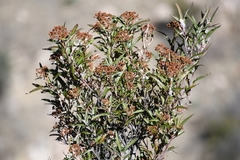 Arizona RosewoodShrub
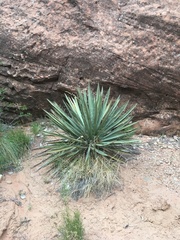 Banana YuccaCactus or succulent
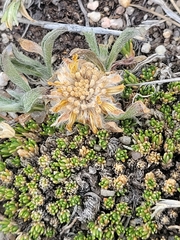 Angelita DaisyWildflower
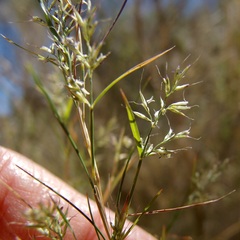 Bamboo MuhlyGrass
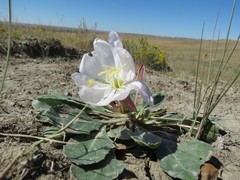 Tufted Evening PrimroseGroundcover
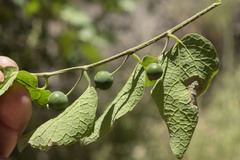 Canyon HackberryTree
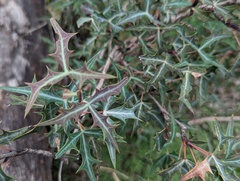 BarberryShrub
All 55 natives that suit Tucson
Trees
- Blue Palo Verde
- Canyon Hackberry
- Desert Willow
- Foothills Palo Verde
- Kidneywood
- Sweet Acacia
- Velvet Mesquite
- Whitethorn Acacia
Shrubs
- Arizona Rosewood
- Barberry
- Bee Brush
- Bush Dalea
- Creosote Bush
- Desert Tea
- Flattop Buckwheat
- Fourwing Saltbush
- Gray Thorn
- Hop Bush
- Little Leaf Ash
- Pink Fairy Duster
- Shrubby Senna
- Sugar Bush
- Turpentine Bush
Cacti and succulents
- Banana Yucca
- Beargrass
- Beavertail Prickly Pear
- Buckhorn Cholla
- Compass Barrel
- Desert Spoon
- Engelmann’s Hedgehog
- Engelmann’s Prickly Pear
- Ocotillo
- Parry’s Agave
- Purple Prickly Pear
- Soaptree Yucca
Wildflowers and perennials
- Angelita Daisy
- Blackfoot Daisy
- Canyon Penstemon
- Chocolate Flower
- Coral Penstemon
- Desert Marigold
- Firecracker Penstemon
- Globe Mallow
- Goodding’s Verbena
- Hummingbird Trumpet
- Mexican Hat
- Mt. Lemmon Marigold
- Paperflower
- Parry’s Penstemon
- Prairie Zinnia
Grasses
Groundcovers
20 natives on the list aren't hardy here
Feather Bush (8 cold winters), Golden Eye (8 cold winters), Brittlebush (8 cold winters), Desert Lavender (8 cold winters), Chuparosa (8 cold winters), Red Justicia (8 cold winters), Arizona Yellow Bells (8 cold winters), Desert Senna (8 cold winters), Ironwood (4 cold winters), Superstition Mallow (4 cold winters), Triangleleaf Bursage (4 cold winters), Weeping Dalea (4 cold winters), Wolfberry (4 cold winters), Jojoba (4 cold winters), Organ Pipe (4 cold winters), Desert Milkweed (4 cold winters), Desert Zinnia (4 cold winters), Little Leaf Cordia (1 cold winter), Saguaro (1 cold winter), Senita (1 cold winter). Hardiness ratings from the source; temperatures from NOAA daily records at Tucson International Airport.
When to plant in Tucson
Tomatoes
Jan 1 – Feb 14; Jun 1 – Jul 14 from seed
Feb 15 – Apr 30; Jul 15 – Aug 31 as transplants
Cucumbers
Cucumber: Armenian: Apr 1 – May 31 from seed
Cucumber: Armenian: Apr 15 – Sep 14 as transplants
Cucumber: Traditional: Apr 1 – May 31; Aug 15 – Sep 14 from seed
Melons
Apr 1 – Jul 31
Lettuce
Oct 1 – Feb 28 from seed
Nov 1 – Feb 28 as transplants
Garlic
Oct 1 – Nov 30 from seed
Nov 15 – Jan 31 as transplants
Onions
Onions: Bulb: Oct 1 – Nov 30 from seed
Onions: Bulb: Nov 15 – Jan 31 as transplants
Onions: Bunching: Sep 15 – Nov 30 from seed
Fruit trees for Tucson
We don't have an extension variety list that covers Tucson yet. The Arizona fruit-tree lists are for other areas and may not suit Tucson's climate.
Where to buy native plants
- Tohono Chul - Desert Corner Nursery and Spring & Fall Plant Sales Tucson
- Native Seeds/SEARCH - Plant Sale & Pop-up Shop Tucson
- Spadefoot Nursery Tucson
- Desert Botanical Garden - Plant Sale Phoenix
Sales and nurseries we've checked on their own websites. Dates change each year.